Vitamin · Life Garden Library
Beta-carotene — Uses, Safety & Preparations
Beta-carotene is a carotenoid pigment found in orange and dark-green vegetables. The body can convert it to vitamin A as needed, making food sources a safe way to support vitamin A nutrition.
Open Life Garden →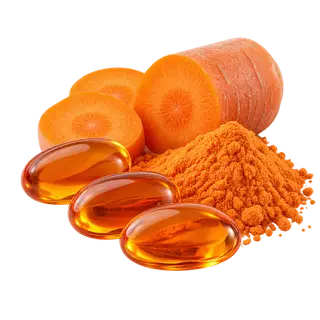
Uses people explore
- Serves as a provitamin A source
- Supports normal vision, immune function, and cell differentiation through conversion to vitamin A
- Colorful fruits and vegetables provide beta-carotene along with many other protective nutrients
Evidence context
Catalog evidence: Strong
The catalog marks this as its stronger-evidence tier. Evidence can differ by preparation and use; this is not a promise of benefit.
Safety comes first
- Very high supplemental intake can turn skin yellow-orange without causing vitamin A toxicity
- High-dose supplements are not appropriate for everyone
- High-dose beta-carotene supplements increased lung-cancer risk in smokers and asbestos-exposed populations
- Prefer food sources unless supplementation is specifically indicated
- If you have known plant allergies, research the botanical family of this ingredient before use.
Life Garden is for educational purposes only. Information on this site is not intended to diagnose, treat, cure, or prevent any disease and is not a substitute for professional medical advice. Always consult a qualified healthcare professional before making decisions about your health.
Preparations
- Standardized extract capsules — Consistent and convenient
- Powder — Flexible dosing
- Tincture — Faster absorption
Keep exploring
Related catalog pages for browsing. A connection does not establish treatment, supplement compatibility or a recommendation to combine ingredients.
A little understanding, every day.
Scan a meal. Explore your ingredients. Find your next easy step.
 Coming soon on Google Play