Antioxidant · Life Garden Library
Bilberry — Uses, Safety & Preparations
Bilberry is a dark blue European berry related to blueberry and rich in anthocyanins. Extracts have been studied for vascular, metabolic, and eye-related outcomes, but many popular vision claims are stronger than the clinical evidence.
Open Life Garden →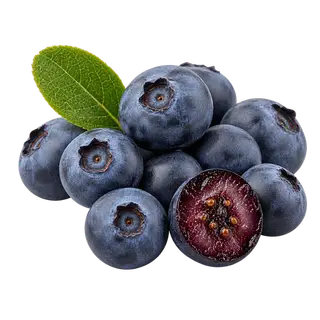
Uses people explore
- Provides anthocyanins and other polyphenols
- May support small-vessel and metabolic measures in some studies
- Evidence that supplements improve night vision in healthy people is not convincing
Evidence context
Catalog evidence: Moderate
The catalog marks this as its moderate-evidence tier. Findings may be limited or mixed.
Safety comes first
- Food amounts are generally safe
- Concentrated extracts can occasionally cause digestive upset
- Concentrated extracts may add to blood-thinning or glucose-lowering effects
- Use caution with anticoagulant or diabetes medicines
- If you have known plant allergies, research the botanical family of this ingredient before use.
Life Garden is for educational purposes only. Information on this site is not intended to diagnose, treat, cure, or prevent any disease and is not a substitute for professional medical advice. Always consult a qualified healthcare professional before making decisions about your health.
Preparations
- Standardized extract capsules — Consistent and convenient
- Powder — Flexible dosing
- Tincture — Faster absorption
Keep exploring
Related catalog pages for browsing. A connection does not establish treatment, supplement compatibility or a recommendation to combine ingredients.
A little understanding, every day.
Scan a meal. Explore your ingredients. Find your next easy step.
 Coming soon on Google Play