Botanical · Life Garden Library
Ginger Root — Uses, Safety & Preparations
Ginger has been used in food and traditional wellness practices across Asia, the Middle East, and Europe for thousands of years. It is best studied for nausea and digestive support.
Open Life Garden →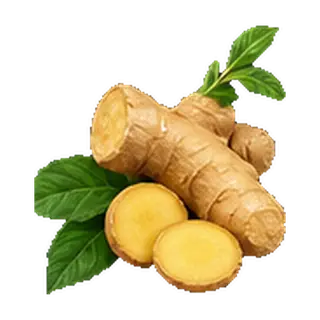
Uses people explore
- Well studied for reducing nausea
- May support a healthy inflammatory response
- Supports digestion and stomach comfort
- Some research is exploring blood-sugar support
Evidence context
Catalog evidence: Strong
The catalog marks this as its stronger-evidence tier. Evidence can differ by preparation and use; this is not a promise of benefit.
Safety comes first
- May cause heartburn or stomach upset at higher amounts
- Very high amounts may slightly increase bleeding risk
- May increase bleeding risk with blood thinners
- May add to the effects of blood-sugar medicines
- Related to turmeric and cardamom. Those with ginger allergy should use caution with turmeric and related spices.
Life Garden is for educational purposes only. Information on this site is not intended to diagnose, treat, cure, or prevent any disease and is not a substitute for professional medical advice. Always consult a qualified healthcare professional before making decisions about your health.
Preparations
- Fresh ginger root — Best for immediate digestive use and cooking , highest gingerol content raw
- Standardized extract (5% gingerols) — Consistent anti-inflammatory dosing
- Ginger tea (fresh or dried) — Traditional digestive and nausea support , widely accessible
- Ginger essential oil (diluted topical) — Topical use for muscle comfort , always dilute in carrier oil
Keep exploring
Related catalog pages for browsing. A connection does not establish treatment, supplement compatibility or a recommendation to combine ingredients.
A little understanding, every day.
Scan a meal. Explore your ingredients. Find your next easy step.
 Coming soon on Google Play