Amino acid derivative · Life Garden Library
L-carnitine — Uses, Safety & Preparations
L-carnitine is a naturally occurring compound made from lysine and methionine that helps transport long-chain fatty acids into mitochondria for energy production. Most healthy people make enough, while supplementation has specific medical uses and mixed evidence for general performance or weight loss.
Open Life Garden →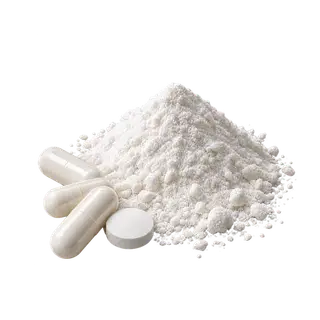
Uses people explore
- Essential for normal fatty-acid transport into mitochondria
- Prescription forms are used for certain carnitine-deficiency conditions
- Some studies suggest modest benefit for exercise recovery or fatigue in selected groups, but weight-loss effects are small
Evidence context
Catalog evidence: Strong
The catalog marks this as its stronger-evidence tier. Evidence can differ by preparation and use; this is not a promise of benefit.
Safety comes first
- Can cause nausea, diarrhea, abdominal cramps, or a fishy body odor
- High supplemental intake may raise trimethylamine-N-oxide (TMAO), a marker being studied for cardiovascular relevance
- May interact with warfarin and increase INR
- People with seizure disorders should use high-dose supplements cautiously
- If you have known plant allergies, research the botanical family of this ingredient before use.
Life Garden is for educational purposes only. Information on this site is not intended to diagnose, treat, cure, or prevent any disease and is not a substitute for professional medical advice. Always consult a qualified healthcare professional before making decisions about your health.
Preparations
- Standardized extract capsules — Consistent and convenient
- Powder — Flexible dosing
- Tincture — Faster absorption
Keep exploring
Related catalog pages for browsing. A connection does not establish treatment, supplement compatibility or a recommendation to combine ingredients.
A little understanding, every day.
Scan a meal. Explore your ingredients. Find your next easy step.
 Coming soon on Google Play