Botanical · Life Garden Library
Moringa — Uses, Safety & Preparations
Moringa is a tree whose leaves are eaten as a vegetable or dried into powder. The leaves provide vitamins, minerals, protein, and plant antioxidants, especially in places where food variety is limited.
Open Life Garden →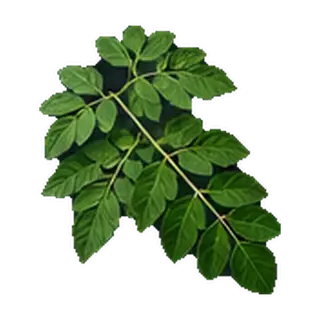
Uses people explore
- Adds nutrients and polyphenols to the diet
- Early studies explore blood sugar and cholesterol effects
- Leaves are safer and better studied than root or bark
- Food use has a longer history than concentrated extracts
Evidence context
Catalog evidence: Moderate
The catalog marks this as its moderate-evidence tier. Findings may be limited or mixed.
Safety comes first
- Large amounts may cause nausea or diarrhea
- Root and bark preparations can be unsafe, especially during pregnancy
- Powders may be contaminated if poorly produced
- May add to diabetes or blood-pressure medicines
- Check with a clinician if you take thyroid medicine
- Related to horseradish and wasabi. Those with Brassicaceae family allergies should use caution.
Life Garden is for educational purposes only. Information on this site is not intended to diagnose, treat, cure, or prevent any disease and is not a substitute for professional medical advice. Always consult a qualified healthcare professional before making decisions about your health.
Preparations
- Standardized extract capsules — Consistent and convenient for daily use
- Powder — Flexible dosing , add to food or drinks
- Tincture / liquid extract — Faster absorption
- Tea — Traditional gentle introduction
Keep exploring
Related catalog pages for browsing. A connection does not establish treatment, supplement compatibility or a recommendation to combine ingredients.
A little understanding, every day.
Scan a meal. Explore your ingredients. Find your next easy step.
 Coming soon on Google Play