Fatty acid · Life Garden Library
Omega-3 Fish Oil — Uses, Safety & Preparations
Omega-3 fatty acids, especially EPA and DHA, are essential fats found in fish, algae, and some foods. They are widely studied for heart, brain, and inflammatory-response support.
Open Life Garden →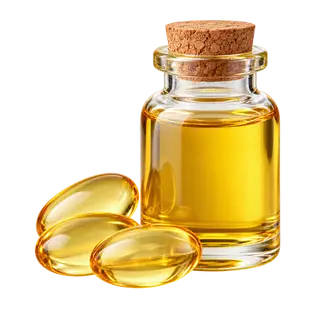
Uses people explore
- Well studied for heart-health support
- Prescription-strength products can lower high triglycerides
- Supports normal brain structure and function
- May support a healthy inflammatory response
Evidence context
Catalog evidence: Strong
The catalog marks this as its stronger-evidence tier. Evidence can differ by preparation and use; this is not a promise of benefit.
Safety comes first
- May cause a fishy aftertaste
- Higher amounts can increase bleeding risk
- May cause stomach upset unless taken with food
- May increase bleeding risk with anticoagulants
- May add to the effect of blood-pressure medicines
- Fish oil contains fish proteins. Those with fish or shellfish allergies should use algal oil (vegan DHA/EPA) instead.
Life Garden is for educational purposes only. Information on this site is not intended to diagnose, treat, cure, or prevent any disease and is not a substitute for professional medical advice. Always consult a qualified healthcare professional before making decisions about your health.
Preparations
- Triglyceride form fish oil — Natural form with better absorption than ethyl ester form
- Krill oil — Phospholipid-bound , smaller doses, contains astaxanthin
- Algal oil (vegan DHA/EPA) — Best for fish-allergic individuals, vegans, and pregnant women
- Cod liver oil — Traditional form , also contains vitamins D3 and A
Keep exploring
Related catalog pages for browsing. A connection does not establish treatment, supplement compatibility or a recommendation to combine ingredients.
A little understanding, every day.
Scan a meal. Explore your ingredients. Find your next easy step.
 Coming soon on Google Play