Botanical · Life Garden Library
Pau darco — Uses, Safety & Preparations
Pau d'arco, also called lapacho, is made from the inner bark of Handroanthus or Tabebuia trees. It is marketed for infections and cancer, but human evidence is inadequate and some constituents can be toxic at medicinal doses.
Open Life Garden →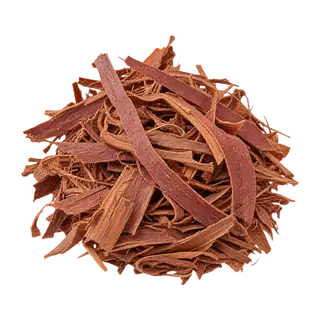
Uses people explore
- Traditional use includes tea preparations for various ailments
- Contains naphthoquinones such as lapachol studied in laboratory models
- Not established as an anticancer, antifungal, or antibacterial treatment in humans
Evidence context
Catalog evidence: Moderate
The catalog marks this as its moderate-evidence tier. Findings may be limited or mixed.
Safety comes first
- Can cause nausea, vomiting, diarrhea, dizziness, or anemia at higher doses
- High-dose use can be toxic
- May increase bleeding risk with anticoagulants or antiplatelet medicines
- Avoid during pregnancy and before surgery
- If you have known plant allergies, research the botanical family of this ingredient before use.
Life Garden is for educational purposes only. Information on this site is not intended to diagnose, treat, cure, or prevent any disease and is not a substitute for professional medical advice. Always consult a qualified healthcare professional before making decisions about your health.
Preparations
- Standardized extract capsules — Consistent and convenient
- Powder — Flexible dosing
- Tincture — Faster absorption
Keep exploring
Related catalog pages for browsing. A connection does not establish treatment, supplement compatibility or a recommendation to combine ingredients.
A little understanding, every day.
Scan a meal. Explore your ingredients. Find your next easy step.
 Coming soon on Google Play