Skin active · Life Garden Library
Propolis (topical) — Uses, Safety & Preparations
Topical propolis is used in creams, ointments, and oral-care products for its resinous and antimicrobial properties. Benefit depends on formulation, and contact allergy is a meaningful limitation.
Open Life Garden →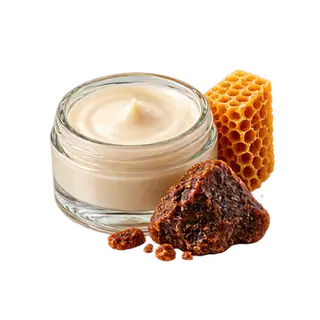
Uses people explore
- Used in some minor wound and skin-care products
- Provides antimicrobial and antioxidant plant-resin compounds
- May support oral or skin comfort in selected formulations
Evidence context
Catalog evidence: Moderate
The catalog marks this as its moderate-evidence tier. Findings may be limited or mixed.
Safety comes first
- A frequent cause of allergic contact dermatitis in susceptible people
- Stop use if rash, itching, or swelling develops
- No major systemic drug interaction is expected from normal topical use
- Avoid if you have known propolis or bee-product allergy
- If you have known plant allergies, research the botanical family of this ingredient before use.
Life Garden is for educational purposes only. Information on this site is not intended to diagnose, treat, cure, or prevent any disease and is not a substitute for professional medical advice. Always consult a qualified healthcare professional before making decisions about your health.
Preparations
- Standardized extract capsules — Consistent and convenient
- Powder — Flexible dosing
- Tincture — Faster absorption
Keep exploring
Related catalog pages for browsing. A connection does not establish treatment, supplement compatibility or a recommendation to combine ingredients.
A little understanding, every day.
Scan a meal. Explore your ingredients. Find your next easy step.
 Coming soon on Google Play