Botanical · Life Garden Library
Purple coneflower — Uses, Safety & Preparations
Purple coneflower usually refers to Echinacea purpurea, one of the most common Echinacea species in cold remedies. Evidence varies by extract, plant part, dose, and timing.
Open Life Garden →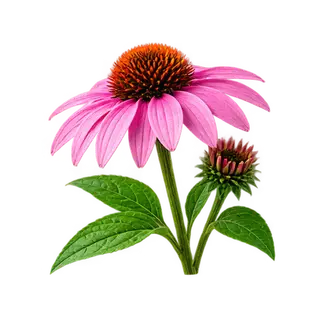
Uses people explore
- Some preparations may modestly reduce the chance or duration of common-cold symptoms
- Used short term at the onset of respiratory symptoms
- Not proven to prevent all infections or broadly boost immunity
Evidence context
Catalog evidence: Strong
The catalog marks this as its stronger-evidence tier. Evidence can differ by preparation and use; this is not a promise of benefit.
Safety comes first
- Can cause nausea, rash, or allergic reactions
- Allergy risk may be higher in people sensitive to ragweed-family plants
- Use caution with immune-suppressing medicines or autoimmune disease
- Do not assume every Echinacea product has equivalent evidence
- If you have known plant allergies, research the botanical family of this ingredient before use.
Life Garden is for educational purposes only. Information on this site is not intended to diagnose, treat, cure, or prevent any disease and is not a substitute for professional medical advice. Always consult a qualified healthcare professional before making decisions about your health.
Preparations
- Standardized extract capsules — Consistent and convenient
- Powder — Flexible dosing
- Tincture — Faster absorption
Keep exploring
Related catalog pages for browsing. A connection does not establish treatment, supplement compatibility or a recommendation to combine ingredients.
A little understanding, every day.
Scan a meal. Explore your ingredients. Find your next easy step.
 Coming soon on Google Play