Algae · Life Garden Library
Spirulina — Uses, Safety & Preparations
Spirulina is a blue-green cyanobacterium eaten as a nutrient-dense food. It provides protein, iron, and the blue pigment phycocyanin, but quality testing matters because poorly controlled products can contain contaminants.
Open Life Garden →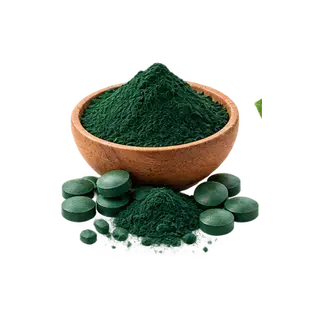
Uses people explore
- Provides protein and iron in a compact food form
- Phycocyanin supplies antioxidant activity
- Some studies suggest modest cholesterol or triglyceride support
- Not a reliable source of active vitamin B12
Evidence context
Catalog evidence: Moderate
The catalog marks this as its moderate-evidence tier. Findings may be limited or mixed.
Safety comes first
- May cause nausea, gas, or headache
- Avoid products without third-party contaminant testing
- People with phenylketonuria should check phenylalanine content
- May stimulate immune activity, so use caution with immune-suppressing medicine
- Check with a clinician if you have an autoimmune condition or take blood thinners
- Those with iodine sensitivity should be cautious. Contamination risk exists , buy from reputable, tested sources.
Life Garden is for educational purposes only. Information on this site is not intended to diagnose, treat, cure, or prevent any disease and is not a substitute for professional medical advice. Always consult a qualified healthcare professional before making decisions about your health.
Preparations
- Standardized extract capsules — Consistent and convenient for daily use
- Powder — Flexible dosing , add to food or drinks
- Tincture / liquid extract — Faster absorption
- Tea — Traditional gentle introduction
Keep exploring
Related catalog pages for browsing. A connection does not establish treatment, supplement compatibility or a recommendation to combine ingredients.
A little understanding, every day.
Scan a meal. Explore your ingredients. Find your next easy step.
 Coming soon on Google Play