Botanical · Life Garden Library
Turmeric Root (Whole) — Uses, Safety & Preparations
The whole root form of turmeric, distinct from isolated curcumin supplements. Used for millennia in Ayurvedic cooking and medicine. Contains curcuminoids (2-5%) plus turmerones, essential oils, and fiber , the full synergistic matrix.
Open Life Garden →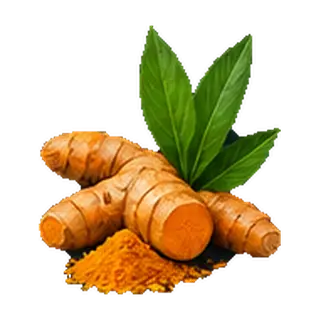
Uses people explore
- Whole-root matrix may provide broader benefit than isolated curcumin
- Anti-inflammatory turmeric oils (turmerones) not present in curcumin isolates
- Easier on the stomach than high-dose curcumin extracts
- Traditional Ayurvedic digestive and liver support
Evidence context
Catalog evidence: Moderate
The catalog marks this as its moderate-evidence tier. Findings may be limited or mixed.
Safety comes first
- GI upset at high doses , less than isolated curcumin
- May trigger gallbladder contractions in susceptible individuals
- May slow blood clotting at very high doses
- CYP450 metabolism effects , check medications
- Related to ginger and cardamom. Those with ginger allergy should use caution.
Life Garden is for educational purposes only. Information on this site is not intended to diagnose, treat, cure, or prevent any disease and is not a substitute for professional medical advice. Always consult a qualified healthcare professional before making decisions about your health.
Preparations
- Fresh turmeric root — Highest in turmerones , grate into food or juice. Traditional culinary use
- Dried turmeric powder — Convenient culinary use , add black pepper to increase curcumin absorption
- Turmeric tea bags — Gentle traditional preparation , often blended with ginger and black pepper
- Curcumin extract (standardized) — For targeted anti-inflammatory dosing , see Turmeric/Curcumin entry
Keep exploring
Related catalog pages for browsing. A connection does not establish treatment, supplement compatibility or a recommendation to combine ingredients.
A little understanding, every day.
Scan a meal. Explore your ingredients. Find your next easy step.
 Coming soon on Google Play