Botanical · Life Garden Library
Cassava — Uses, Safety & Preparations
Cassava is a starchy root that is a major staple food in many tropical regions. Raw or improperly processed cassava contains cyanogenic compounds, so correct peeling, soaking, fermenting, or cooking is essential.
Open Life Garden →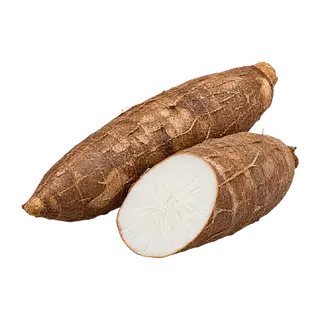
Uses people explore
- Provides carbohydrate energy and some vitamin C
- Naturally gluten-free when processed without wheat contamination
- Important staple food in many cuisines
Evidence context
Catalog evidence: Not classified
This is a catalog classification, not a personalized recommendation.
Safety comes first
- Raw or improperly processed cassava can release cyanide and cause serious poisoning
- A cassava-heavy diet without adequate protein and micronutrients can contribute to nutritional problems
- No major drug interaction is expected from properly prepared food
- Do not eat raw or inadequately processed bitter cassava
- If you have known plant allergies, research the botanical family of this ingredient before use.
Life Garden is for educational purposes only. Information on this site is not intended to diagnose, treat, cure, or prevent any disease and is not a substitute for professional medical advice. Always consult a qualified healthcare professional before making decisions about your health.
Preparations
- Standardized extract capsules — Consistent and convenient
- Powder — Flexible dosing
- Tincture — Faster absorption
Keep exploring
Related catalog pages for browsing. A connection does not establish treatment, supplement compatibility or a recommendation to combine ingredients.
A little understanding, every day.
Scan a meal. Explore your ingredients. Find your next easy step.
 Coming soon on Google Play