Botanical · Life Garden Library
Cayenne Pepper — Uses, Safety & Preparations
Cayenne pepper contains capsaicin, which activates TRPV1 receptors. Topical capsaicin is well established for certain pain conditions, while oral cayenne is mainly a food and digestive stimulant.
Open Life Garden →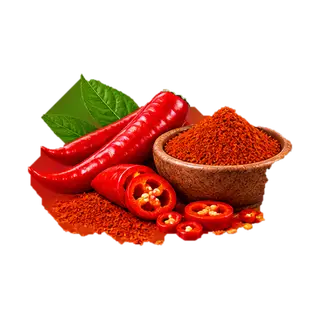
Uses people explore
- Topical capsaicin can reduce certain neuropathic and musculoskeletal pain symptoms
- Adds flavor and capsaicinoids to food
- May modestly increase thermogenesis, but weight-loss effects are small
Evidence context
Catalog evidence: Strong
The catalog marks this as its stronger-evidence tier. Evidence can differ by preparation and use; this is not a promise of benefit.
Safety comes first
- Can cause burning, stomach irritation, reflux, or diarrhea
- Topical capsaicin can cause intense temporary burning
- May increase bleeding tendency at high supplemental amounts
- Use caution with anticoagulants and avoid contact with eyes or broken skin
- Related to bell peppers, tomatoes, eggplant. Nightshade sensitivity , use caution.
Life Garden is for educational purposes only. Information on this site is not intended to diagnose, treat, cure, or prevent any disease and is not a substitute for professional medical advice. Always consult a qualified healthcare professional before making decisions about your health.
Preparations
- Standardized extract capsules — Consistent and convenient for daily use
- Powder — Flexible dosing
- Tincture / liquid extract — Faster absorption
- Tea or infusion — Traditional gentle introduction
Keep exploring
Related catalog pages for browsing. A connection does not establish treatment, supplement compatibility or a recommendation to combine ingredients.
A little understanding, every day.
Scan a meal. Explore your ingredients. Find your next easy step.
 Coming soon on Google Play