Botanical · Life Garden Library
Licorice Root Extract — Uses, Safety & Preparations
Licorice root extract can contain glycyrrhizin or be processed as deglycyrrhizinated licorice (DGL). Glycyrrhizin-containing products can strongly affect blood pressure, potassium, and fluid balance.
Open Life Garden →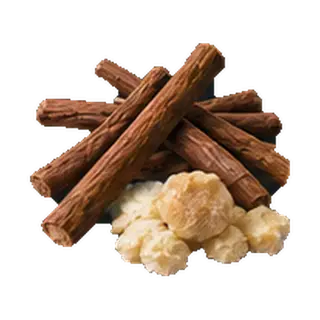
Uses people explore
- Traditional use for throat and digestive complaints
- DGL is used for upper-digestive comfort
- Topical licorice compounds are used in some brightening and soothing skin-care products
Evidence context
Catalog evidence: Strong
The catalog marks this as its stronger-evidence tier. Evidence can differ by preparation and use; this is not a promise of benefit.
Safety comes first
- Glycyrrhizin can raise blood pressure, lower potassium, and cause fluid retention
- Risk increases with high intake or prolonged use
- Can interact with diuretics, digoxin, corticosteroids, and blood-pressure medicines
- Avoid regular glycyrrhizin-containing use with hypertension, heart disease, kidney disease, or pregnancy
- Peanut/legume allergy , possible cross-reaction.
Life Garden is for educational purposes only. Information on this site is not intended to diagnose, treat, cure, or prevent any disease and is not a substitute for professional medical advice. Always consult a qualified healthcare professional before making decisions about your health.
Preparations
- Standardized extract or oil — Consistent and convenient
- Powder — Flexible dosing
- Topical application — Direct skin use
Keep exploring
Related catalog pages for browsing. A connection does not establish treatment, supplement compatibility or a recommendation to combine ingredients.
A little understanding, every day.
Scan a meal. Explore your ingredients. Find your next easy step.
 Coming soon on Google Play