Botanical · Life Garden Library
Licorice root — Uses, Safety & Preparations
Licorice root, Glycyrrhiza glabra, contains glycyrrhizin, which can affect cortisol metabolism and cause sodium retention. Deglycyrrhizinated licorice (DGL) removes most glycyrrhizin and has a different safety profile.
Open Life Garden →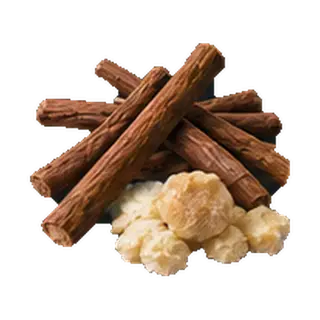
Uses people explore
- Traditional use for throat and digestive complaints
- DGL products are used for upper-digestive comfort, though evidence is limited
- Glycyrrhizin-containing licorice has potent physiologic effects and should not be treated like a casual tea in large amounts
Evidence context
Catalog evidence: Not classified
This is a catalog classification, not a personalized recommendation.
Safety comes first
- Glycyrrhizin can raise blood pressure, lower potassium, cause fluid retention, and trigger abnormal heart rhythms
- Risk increases with high intake or prolonged use
- Can interact with diuretics, digoxin, corticosteroids, blood-pressure medicines, and medicines that lower potassium
- Avoid regular glycyrrhizin-containing licorice with hypertension, heart disease, kidney disease, or pregnancy
- If you have known plant allergies, research the botanical family of this ingredient before use.
Life Garden is for educational purposes only. Information on this site is not intended to diagnose, treat, cure, or prevent any disease and is not a substitute for professional medical advice. Always consult a qualified healthcare professional before making decisions about your health.
Preparations
- Standardized extract capsules — Consistent and convenient
- Powder — Flexible dosing
- Tincture — Faster absorption
Keep exploring
Related catalog pages for browsing. A connection does not establish treatment, supplement compatibility or a recommendation to combine ingredients.
A little understanding, every day.
Scan a meal. Explore your ingredients. Find your next easy step.
 Coming soon on Google Play